Services
From archaeological drawing, digital painting, and visual science communication to fullstack web development for archaeology and brand identity: everything I do serves one goal. Making archaeological knowledge visible, accessible, and engaging.

“I believe archaeological research deserves visuals as rigorous as the science behind them. Every project starts with understanding your research context — then finding the right visual language to make it accessible.”
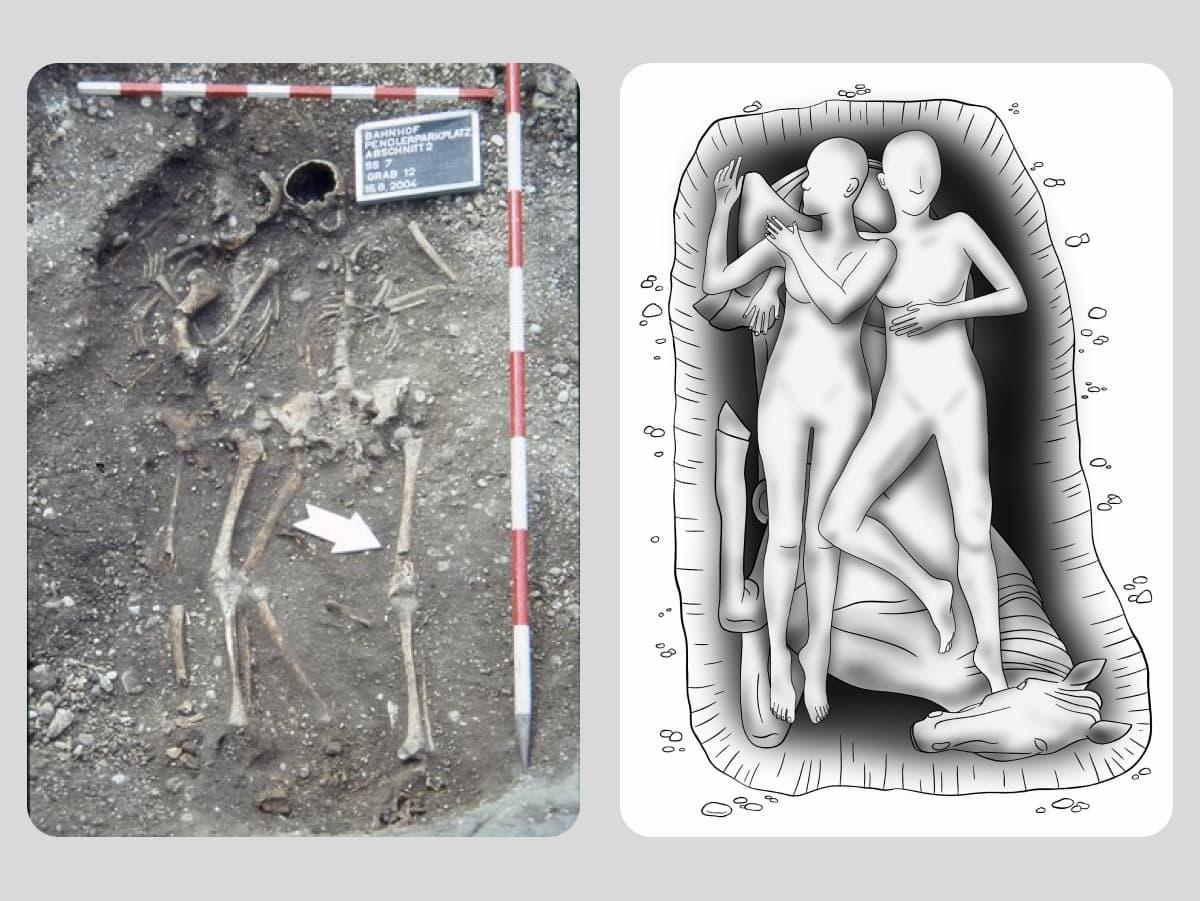
Research publications compete for attention — compelling visuals make yours stand out. Freelance archaeological illustration for publications, outreach, and education: from reconstruction drawings and digital painting to conceptual illustrations, cover art, comics, and zines. Visual science communication that bridges research and public understanding.
Flat photos rarely capture the full story of an artefact. Digital 3D documentation and modelling brings archaeological finds to life through image-based modelling (photogrammetry), Feather 3D, and Nomad Sculpt.
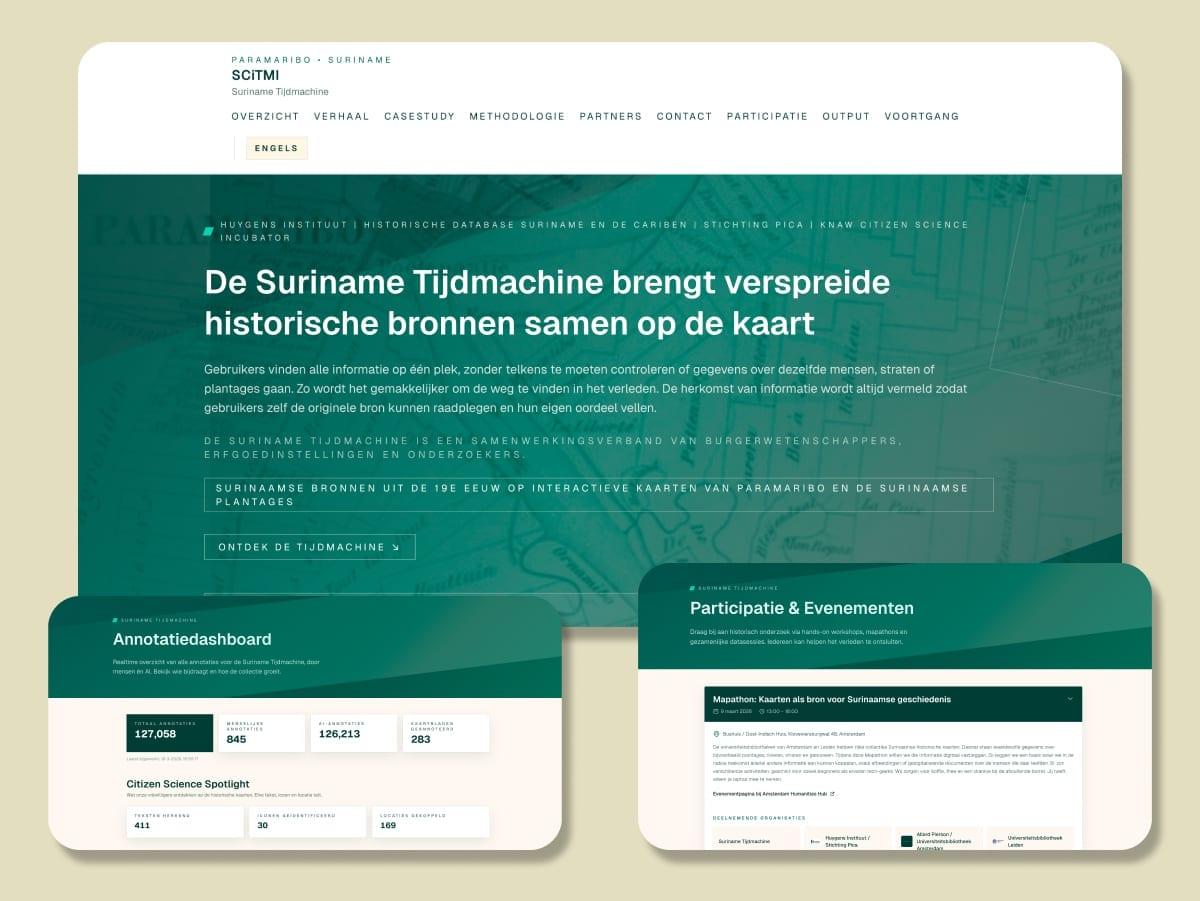
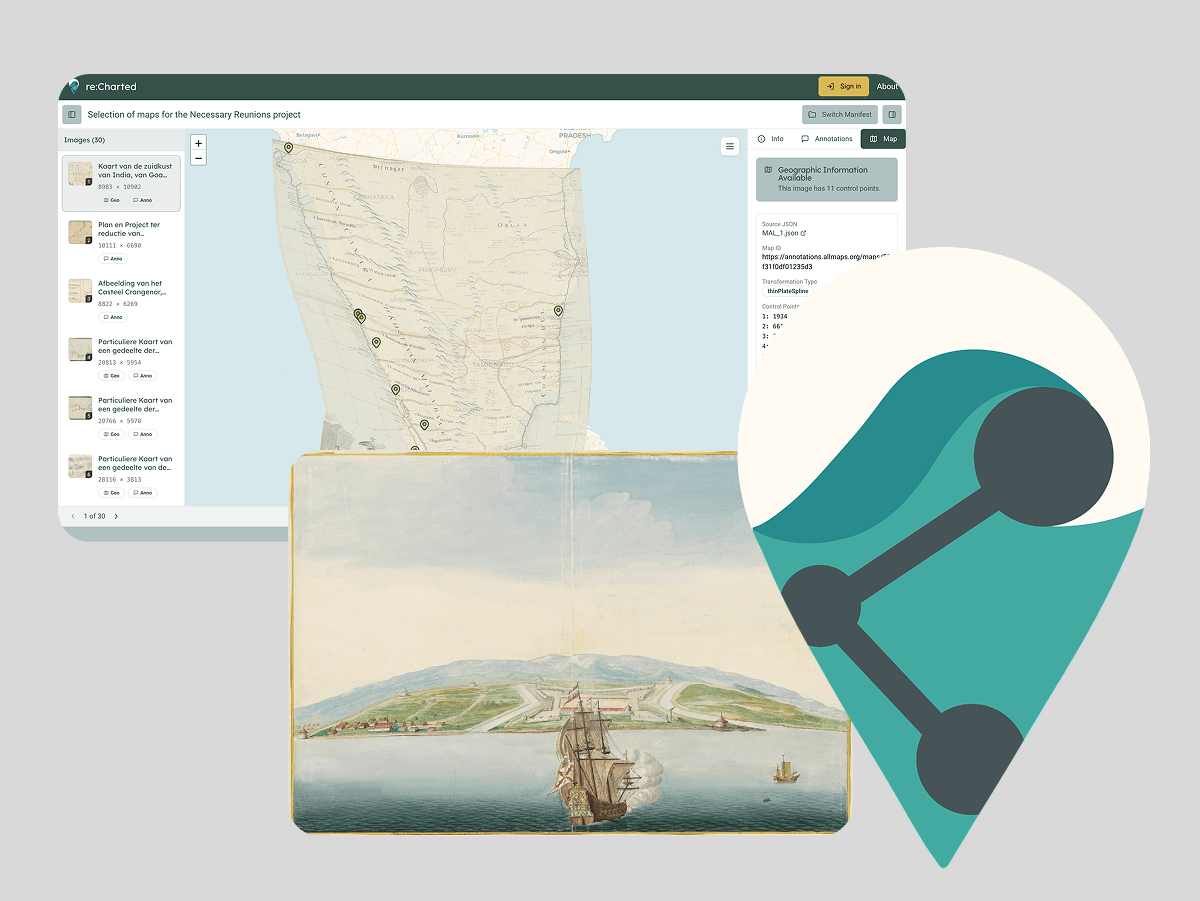
Research datasets locked in spreadsheets cannot serve the audiences they deserve. Fullstack archaeology web development for research projects: database-driven platforms, interactive visualisation tools, and digital research infrastructure built with Next.js, TypeScript, and modern web technologies. Archaeology web design that makes complex data accessible.
First impressions shape how seriously your research is taken. Archaeology brand identity and publication design for heritage organisations, research projects, and academic publishers — brand systems that communicate credibility and purpose.

Ongoing collaboration
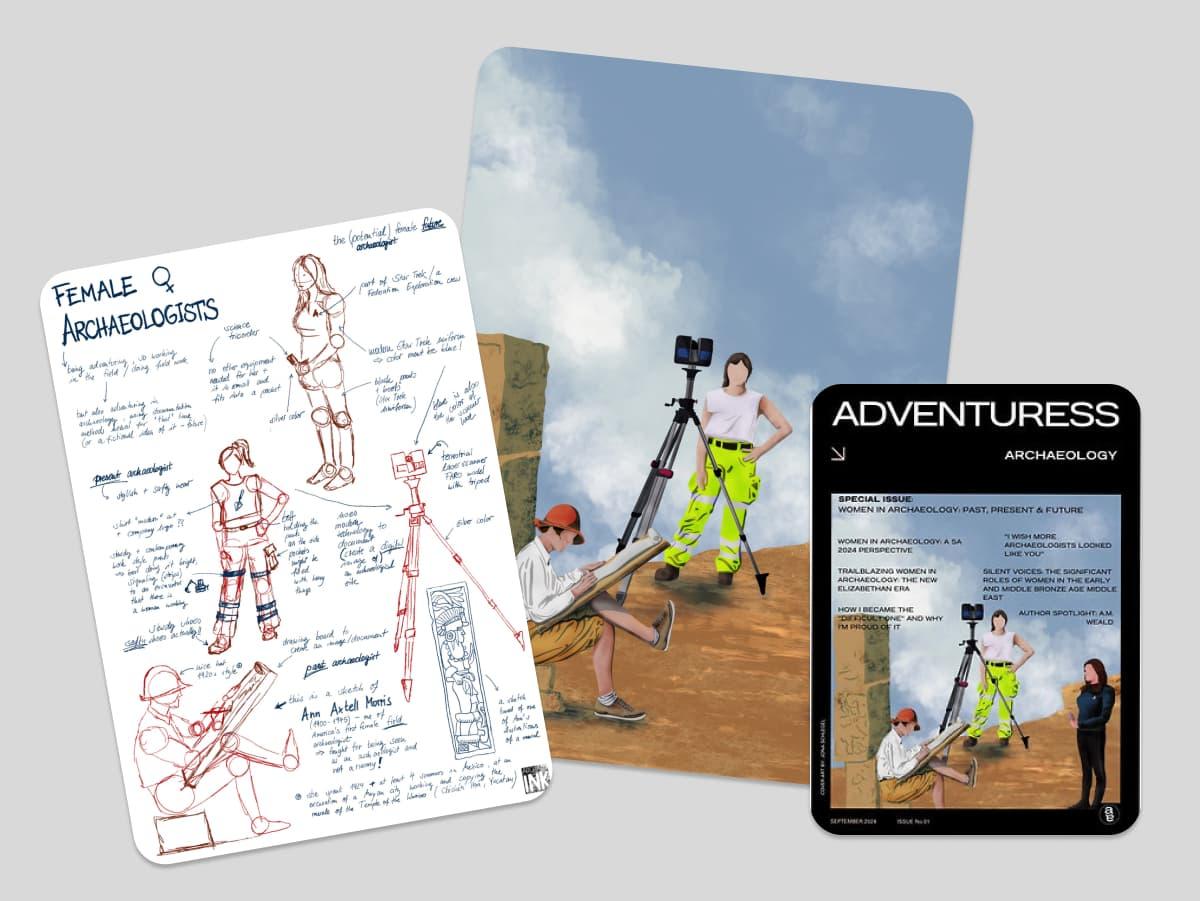
Regular cover art for Adventuress Archaeologist, a publication celebrating women in archaeology. Each issue features a new illustration developed in close collaboration with the editorial team.
View project →How it works
Answers to common questions about working together, timelines, and what to expect from a collaboration.
Archaeological illustration is the practice of creating scientifically accurate visual representations of archaeological sites, artefacts, and contexts. It encompasses drawing, digital painting, sketching, and conceptual illustration — translating complex research into clear visuals for publications, exhibitions, and education.
I offer reconstruction drawings, artefact illustrations, site plans, section drawings, and conceptual sketches. Each drawing is developed in close collaboration with researchers to ensure accuracy. Techniques range from detailed pencil sketching to fully rendered digital painting, depending on the publication context.
Yes. I use tools like Procreate and Inkscape to create digital paintings for archaeological reconstructions, life-like scenes, and publication covers. Digital painting allows for flexible iteration and produces print-ready results suitable for journals, books, and exhibition panels.
Archaeology cover art refers to illustrated covers designed for archaeological journals, books, and magazines. I create cover art that visually communicates the theme of a publication while meeting academic design standards — for example, the ongoing cover illustration series for Adventuress Archaeologist magazine.
Archaeology web development involves building digital platforms tailored to research needs: interactive databases, GIS-based mapping tools, 3D visualisation interfaces, and content management systems for heritage data. I use modern frameworks like Next.js, TypeScript, and Tailwind CSS alongside spatial tools such as CesiumJS and Leaflet.
Absolutely. Archaeology brand identity includes logo design, visual systems, colour palettes, typography, and style guides tailored to heritage organisations, research projects, and academic publishers. The goal is a professional identity that communicates credibility and aligns with institutional values — like the PasTrace brand I developed for a heritage documentation company.
Conceptual illustration in archaeology visualises ideas, processes, or hypotheses rather than depicting specific artefacts or sites. Examples include comic-style explanations of archaeological methods, educational infographics, and diagrammatic illustrations of research workflows — making abstract concepts tangible for diverse audiences.
Archaeology journaling combines reflective writing with visual documentation — sketching, note-taking, and illustrated observations from fieldwork and research. I share techniques and insights through the Trowel Journal blog and develop journaling workshops that help archaeologists integrate visual thinking into their practice.
Get in touch
Fill out the form below and I will get back to you within a few working days. Or if you prefer a live conversation: